503A & 503B Compounding Pharmacy Compliance Services

With nationwide reach across the United States and over 20 years of GMP experience, VaLogic supports 503A and 503B facilities with all their compliance needs.

Two laboratory technicians in protective gear examine test results in a well-equipped medical lab, highlighting teamwork and attention to detail in a clinical environment.

When compliance work piles up, you feel it in every shift change, every batch, and every inspection window. VaLogic Bio was built to take that weight off your team. We design and maintain systems that keep compounding pharmacies audit-ready every day, allowing pharmacists and quality leaders to focus on patient care and operations, not paperwork and penalties. 

We know what it’s like inside a busy pharmacy,  with regulatory pressure, evolving standards, and constant demand for documentation. Our compliance program scales to meet the needs of single-site 503A compounding pharmacies as well as multi-state 503B outsourcing facilities, with service tiers that match your inspection schedule, risk profile, and production volume.

Regulatory Compliance For 503A And 503B Compounding Pharmacies

503A vs 503B Requirements

503A pharmacies are state-licensed facilities that compound medications for individual patients with valid prescriptions. Oversight is primarily handled by state boards of pharmacy. They are exempt from three provisions of federal law: new drug approval requirements, labeling with directions for use, and full current good manufacturing practices (cGMP).

503B outsourcing facilities are federally registered compounding pharmacies that produce medications in bulk, without patient-specific prescriptions. In return, they must follow cGMP standards, list compounded products with the FDA, report adverse events, submit to FDA inspections on a risk-based schedule, and adhere to strict documentation requirements and more rigorous validation requirements.

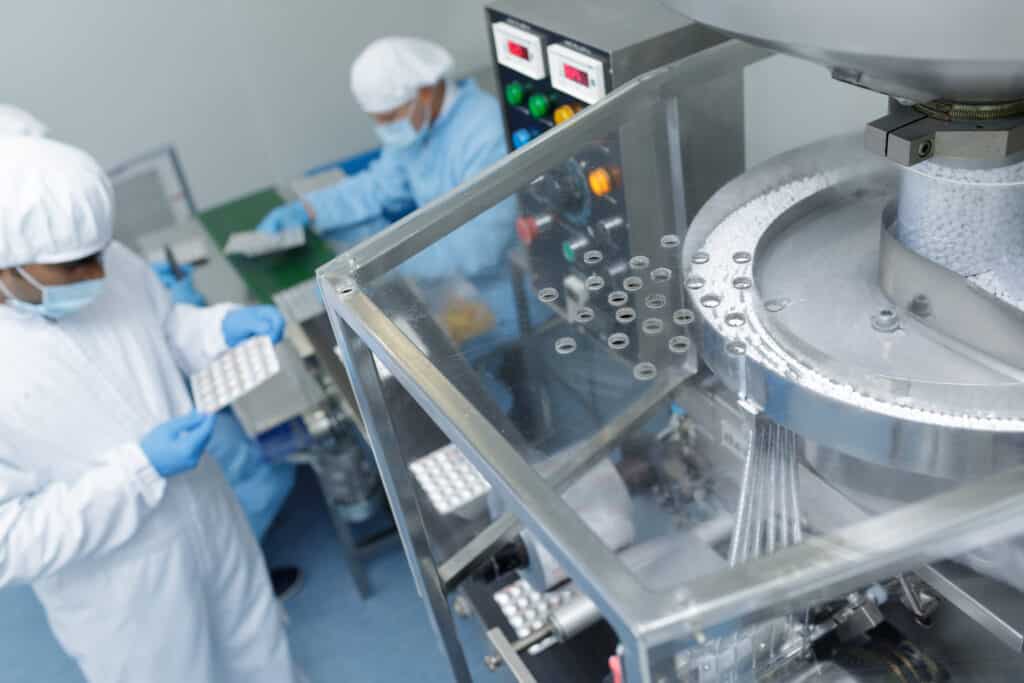
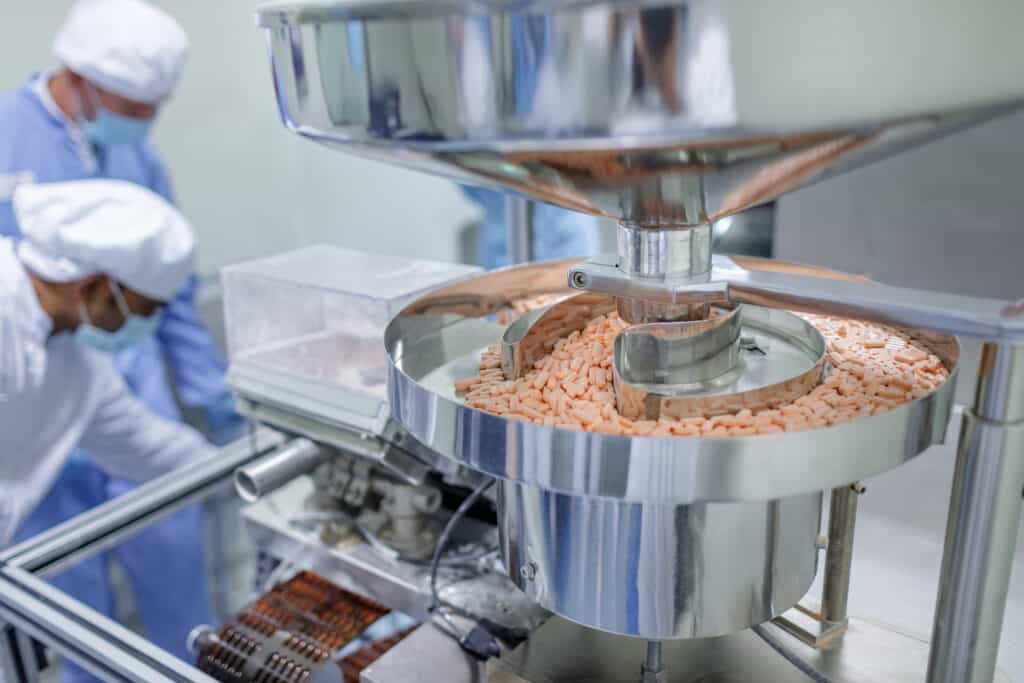
Pharmaceutical technician in sterile environment working on production of pills at pharmacy factory

Some facilities attempt to meet both 503A and 503B standards. Holding both designations requires separate spaces, equipment, and records, along with customized training and monitoring, to prevent cross-contamination and meet inspection criteria.

Compliance Practices Protect Patients and Public Health

Compounded preparations often serve vulnerable populations, such as children, cancer patients, and those with severe allergies. These patients rely on sterile products that cannot be sourced from mass-production drug manufacturers.

Because compounded drugs are not pre-approved by the FDA, regulators place heavy emphasis on safe processes to protect patients from receiving contaminated or sub-potent products.

The most common violations found during inspections include:

Compliance issues can lead to recalls, warning letters, or enforced shutdowns. VaLogic’s compliance systems address those vulnerabilities directly, focusing on safety and accountability rather than merely ticking boxes.

How VaLogic Supports Compounding Pharmacies Nationwide

Portrait of female worker wearing protective suit while operating equipment at modern chemical plant, copy space

Integrated cGMP Compliance Services

Compliance is not a checklist; it is a system. VaLogic provides comprehensive compliance support with cleanroom design and construction, certifications, calibrations, environmental monitoring, SOP development, process audits, and readiness drills. 

Our integrated approach reduces rework, prevents last-minute scrambles, and ensures your pharmacy operations remain smooth and reliable.

Avoid Common Compliance Pitfalls

Many compounding pharmacies deal with the same compliance issues:

These oversights can result in penalties, recalls, or suspension of operations. VaLogic corrects these issues by creating documentation that regulators respect, validating cleaning methods, hardening aseptic practices, and establishing environmental monitoring plans with actionable thresholds.

Portrait of female worker wearing protective suit while operating equipment at modern chemical plant, copy space

VaLogic’s Compliance Program Capabilities

Two laboratory staff work with biomaterial in compliance with safety precautions, protective gadgets are used

Facility Design and Cleanroom Standards

Whether you’re commissioning a new cleanroom or upgrading an existing space, VaLogic provides design support that exceeds regulatory expectations. Our layouts address airflow management, pressure differentials, and material and personnel flow to minimize the risk of contamination. 

Hazardous and non-hazardous workflows are properly separated, and pass-through systems are planned with efficiency and compliance in mind. With LogiPoint® integration, critical conditions are continuously tracked, so data is always available to support facility performance.

Gloved hand holding stacked Petri dishes on a laboratory refrigerator shelf.

Environmental Monitoring and Routine Testing

Environmental monitoring serves as an early warning system for sterile and non-sterile spaces. VaLogic conducts viable air and surface sampling, non-viable particle counting, and trending analysis. We establish clear alert and action protocols with documentation that stands up during audits. 

Routine monitoring is scheduled monthly, quarterly, or as needed, depending on activity levels. Our team also observes gowning and cleanroom behavior, turning findings into focused training for lab personnel. After inspections, we provide ongoing support to close Corrective and Preventive Action (CAPA) plans and adjust monitoring routes as workloads shift.

Two lab technicians in white coats hold samples in a blue-lit lab.

Staff Training and Process Audits

Compliance is as much about people as it is about facilities. VaLogic runs internal audits that simulate FDA inspections and state board visits, preparing your team for both scheduled and surprise inspections.

Training covers gowning, aseptic manipulations, cleaning, deviation handling, and data integrity. We also develop remediation programs for facilities that have faced inspection failures, helping restore credibility with regulators.

Laboratory tech reviews clipboard with safety precautions, protective gadgets are used

Documentation and Validation

Strong documentation is the backbone of compliance. VaLogic develops SOPs, batch records, training logs, environmental monitoring plans, and cleaning validations tailored to your pharmacy operations. Our validation services ensure that critical processes, such as cleaning, sterilization, and airflow, function as designed. We also perform mock audits to test documentation flow, helping staff practice pulling and presenting records under inspection conditions.

Two laboratory staff work with biomaterial in compliance with safety precautions, protective gadgets are used

Facility Design and Cleanroom Standards

Whether you’re commissioning a new cleanroom or upgrading an existing space, VaLogic provides design support that exceeds regulatory expectations. Our layouts address airflow management, pressure differentials, and material and personnel flow to minimize the risk of contamination. 

Hazardous and non-hazardous workflows are properly separated, and pass-through systems are planned with efficiency and compliance in mind. With LogiPoint® integration, critical conditions are continuously tracked, so data is always available to support facility performance.

Gloved hand holding stacked Petri dishes on a laboratory refrigerator shelf.

Environmental Monitoring and Routine Testing

Environmental monitoring serves as an early warning system for sterile and non-sterile spaces. VaLogic conducts viable air and surface sampling, non-viable particle counting, and trending analysis. We establish clear alert and action protocols with documentation that stands up during audits. 

Routine monitoring is scheduled monthly, quarterly, or as needed, depending on activity levels. Our team also observes gowning and cleanroom behavior, turning findings into focused training for lab personnel. After inspections, we provide ongoing support to close Corrective and Preventive Action (CAPA) plans and adjust monitoring routes as workloads shift.

Two lab technicians in white coats hold samples in a blue-lit lab.

Staff Training and Process Audits

Compliance is as much about people as it is about facilities. VaLogic runs internal audits that simulate FDA inspections and state board visits, preparing your team for both scheduled and surprise inspections.

Training covers gowning, aseptic manipulations, cleaning, deviation handling, and data integrity. We also develop remediation programs for facilities that have faced inspection failures, helping restore credibility with regulators.

Laboratory tech reviews clipboard with safety precautions, protective gadgets are used

Documentation and Validation

Strong documentation is the backbone of compliance. VaLogic develops SOPs, batch records, training logs, environmental monitoring plans, and cleaning validations tailored to your pharmacy operations. Our validation services ensure that critical processes, such as cleaning, sterilization, and airflow, function as designed. We also perform mock audits to test documentation flow, helping staff practice pulling and presenting records under inspection conditions.

Regulatory Bodies and Relevant Quality Standards

USP <795>, <797>, and <800>

Glass bottle with cap on production line of conveyor belt at filling machine in medical factory. pharmaceutical and supplement manufacturing.
Pharmaceutical technician in sterile environment working on production of pills at pharmacy factory

The Role of cGMP in Compounding Pharmacy Compliance

Current Good Manufacturing Practices (cGMP) require documented systems for quality, validated equipment, and aseptic process control. For 503B outsourcing facilities, compliance with cGMP is mandatory. 

While 503A pharmacies are not legally required to fully meet cGMP standards, many adopt cGMP practices to strengthen their quality systems or eventually transition to 503B status. VaLogic supports clients by scaling compliance programs to match the level of required oversight.

The Food and Drug Administration

The FDA enforces the Drug Quality and Security Act (DQSA), which regulates 503B outsourcing facilities through registration, inspections, and enforcement actions. The agency also issues guidance documents, conducts risk-based inspections, and publishes warning letters when pharmacies fail to maintain compliance with regulations. 503A pharmacies remain primarily under state oversight, but the FDA intervenes if practices create unsafe conditions.

Pharmaceutical tablet production line with staff in protective suits, showing modern packaging and quality control process
Lab technician checking equipment at packaging factory

Authorized Inspector for The Texas State Board of Pharmacy

VaLogic is an Authorized Inspector for the Texas State Board of Pharmacy. Our team conducts inspections on behalf of the Board, supporting licensing, renewals, and compliance oversight. For Texas pharmacies, this adds an additional layer of trust and assurance that our team knows exactly what regulators expect.

Simplify Your Path to Compliance

VaLogic provides a complete compliance program for both 503A and 503B facilities across the United States. Our integrated services include cleanroom design, LogiPoint monitoring, routine environmental monitoring, staff training, internal audits, documentation development, and remediation support.

We are veteran-founded, active nationwide, and trusted by hundreds of biotech and compounding facilities that require speed, accuracy, and clear communication.

If you are preparing for an FDA inspection, building a new cleanroom, or transitioning from 503A to 503B, we can help. Contact us today to schedule a free consultation and start simplifying your path to compliance.

Have a question or need a quote? Give us a call!