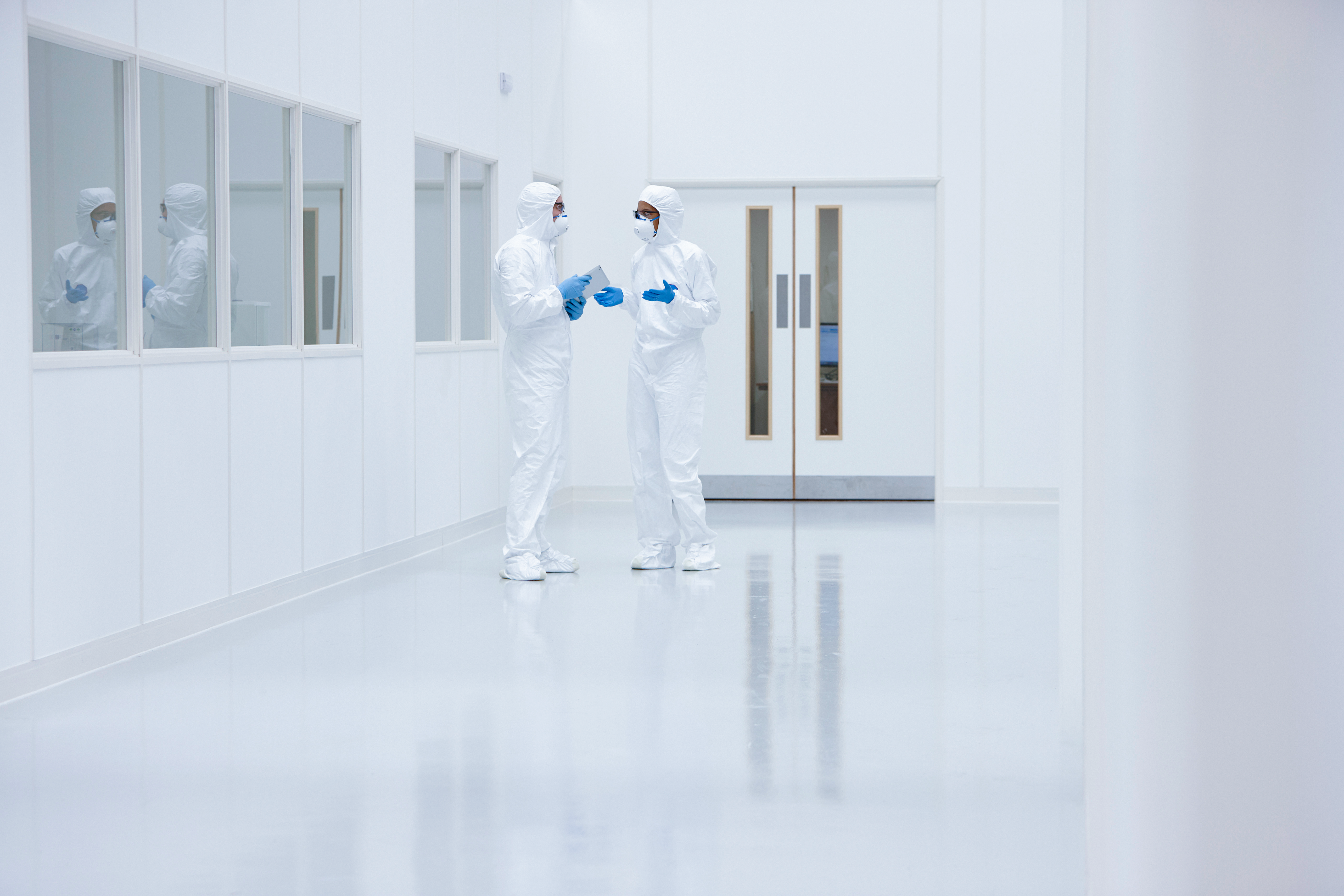
Why BSL Certification Demands Specialized Expertise
Biosafety levels (BSL) classify lab environments based on the risk of exposure to dangerous microbes and biological agents. Each BSL level requires certain safety protocols to contain bioagents and protect lab personnel.
- BSL-1: Basic labs handling agents not known to commonly cause disease in healthy adults. Minimal safety requirements. Personal protective equipment used as needed.
- BSL-2: Labs dealing with moderate-risk agents such as hepatitis A or Salmonella. Requires restricted lab access and specific waste handling.
- BSL-3: Facilities handling airborne pathogens like tuberculosis. In addition to BSL-2 requirements, specialized ventilation and containment systems such as BSCs must be in use.
- BSL-4: Maximum containment labs dealing with high-risk agents such as Ebola virus. In addition to BSL-3 specifications, lab use requires full-body suits, sealed containment, and isolated air systems.