
Environmental monitoring (EM) systems are a critical tool for maintaining control over cleanroom compliance, allowing you to catch potential issues before they affect your bottom line. This article explores the full scope of cleanroom environmental monitoring services—from airborne particles and viable surface swabs to compressed gas testing and personnel monitoring—and discusses how real-time EM platforms can bring peace of mind to your team.
What Is Environmental Monitoring and Why Does It Matter in Cleanrooms?
Your First Line of Protection for Contamination Control
Environmental monitoring measures the physical, microbial, and particulate conditions in cleanrooms and controlled environments. This helps facilities stay in control of air cleanliness, surface hygiene, environmental variables, and personnel behaviors that can introduce contamination.
Microbial risks can be introduced via equipment, human movement, temperature shifts, and more. Without a monitoring program that actively detects these changes, contamination can creep in unnoticed and compromise entire production cycles.
Industry Regulations Driving Environmental Monitoring
Organizations such as the FDA, EMA, and ISO have strict expectations for environmental monitoring programs. Key references include:
- ISO 14644 (for cleanroom classification)
- EU GMP Annex 1 (updated in 2022)
- USP <1116> (on microbiological control)
- FDA’s aseptic guidance
These standards call for a documented, risk-based approach with routine sampling, alert/action level definitions, investigation protocols, and secure data integrity practices. Facilities that fall behind on these requirements face regulatory scrutiny, warning letters, or even production halts.
What Auditors Expect From Your Facility
GxP-aligned facilities must implement monitoring programs that go beyond the minimum. Auditors expect to see:
- Defined sampling strategies, tailored by room classification
- Justified sampling frequency
- Well-documented alert and action levels
- Investigation records tied to any out-of-spec result
- Trending data to show control over time
- Documented investigations and corrective actions when EM systems detect a problem
The Core Components of Environmental Monitoring Testing
A comprehensive environmental monitoring program should address multiple contamination vectors. Here’s what that includes:
Monitoring Non-Viable Airborne Particles
A high concentration of airborne particles indicates cleanroom contamination. These particles often originate from fibers, dust, or skin flakes.
Using laser particle counters, facilities typically monitor 0.5 µm and 5.0 µm particle sizes in cleanroom areas. ISO classifications define acceptable particle concentration limits, and testing must be done routinely to verify ongoing compliance.
Viable Air and Surface Sampling
Viable monitoring focuses on detecting living organisms such as yeast, mold, and bacteria. Methods include:
- Active Air Sampling: Air samplers collect microbial content onto agar plates for incubation and colony-forming unit (CFU) counts.
- Passive Air Sampling: Settling plates are left open to air for extended periods, typically in lower-ISO class environments.
- Surface Sampling: Contact plates or swabs are applied to workstations, equipment, or walls to detect potential microbial hotspots.
This data provides early warning signs for contamination pathways, helping teams identify and correct issues in cleaning practices or airflow dynamics.
Compressed Gas Testing
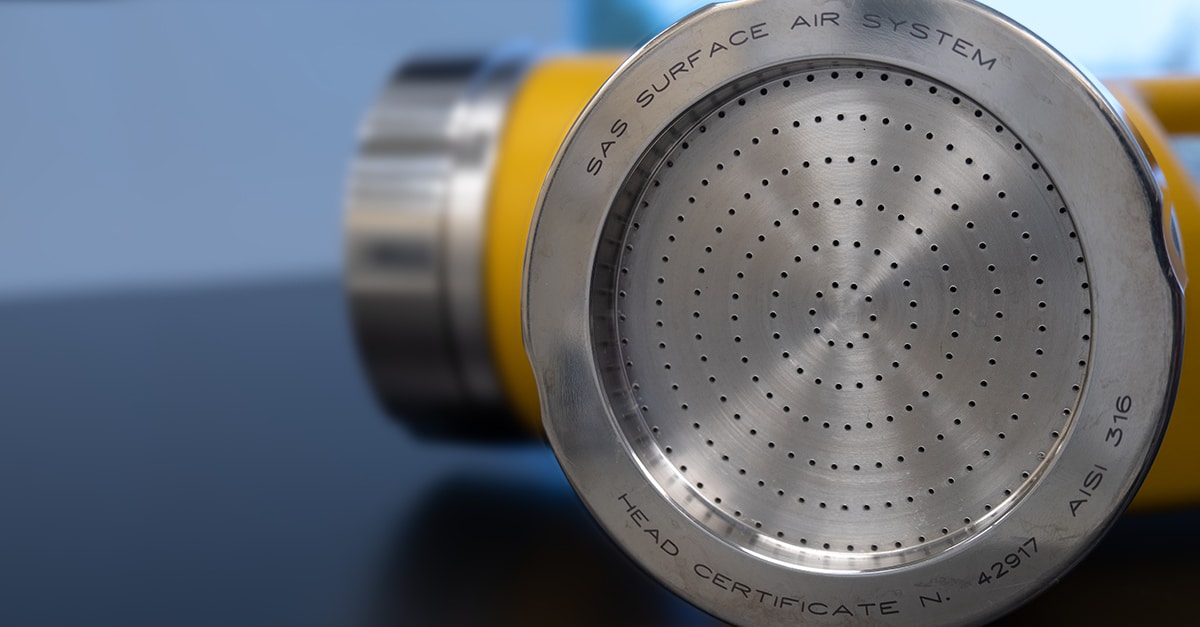
Compressed air and gas lines are often used in critical production steps. If left untested, they can become hidden sources of microbial or particulate contamination.
Routine compressed gas testing evaluates:
- Microbial content
- Moisture levels
- Oil residues
- Particulate counts
Personnel Monitoring and Gowning Validation
Lab personnel are consistently the highest contamination risk in controlled environments. Regularly monitoring staff is used to verify proper gowning and aseptic techniques.
Routine approaches include:
- Fingertip Swabbing: Checks for microbial load on gloves before and after gowning.
- Gown Surface Sampling: Tests areas like forearms, chests, or hoods to assess gown integrity and human shedding.
Results from this testing feed back into training protocols and SOP adjustments.
Environmental Conditions: Temperature, Humidity, Pressure
Physical variables like temperature, relative humidity (RH), and pressure differentials affect both product quality and cleanroom performance. For example:
- High RH can accelerate microbial growth.
- Low pressure can allow contaminated air inflow.
- Temperature shifts may destabilize sensitive ingredients.
Real-time monitoring of these conditions helps prevent unplanned deviations and supports consistent process outcomes.
What Happens When Environmental Monitoring Reveals a Deviation
If a sample reveals a count above your action level, you’re required to perform a documented investigation. Investigations typically include the following steps:
- Identifying root cause (e.g., HVAC disruption, gowning error)
- Assessing the impact on product quality
- Implementing corrective actions (cleaning, maintenance, training)
- Verifying resolution through follow-up testing
Working with a qualified GxP partner like VaLogic ensures that investigations are compliant, documented, and effective. We support both root cause analysis and validation of corrective actions, so issues are resolved with minimal delay.
How to Develop an Effective Environmental Monitoring Program
Customized Risk-Based Planning
Every cleanroom is different. The first step in developing a robust monitoring plan is assessing:
- Product exposure risk
- Cleanroom class and design
- Equipment and material flows
- Historical contamination trends
This risk-based approach allows you to prioritize the most critical sampling points and frequencies.
Building a Sampling Plan and SOP Framework
Your EM plan should define:
- What to test (air, surfaces, people, gas lines, HVAC)
- Where to test (critical zones, representative sites)
- When to test (routine, shift-based, campaign-based)
- How to test (validated methods, calibrated instruments)
Standard operating procedures (SOPs) must support every aspect of sampling and response. This documentation is vital during audits.
Continual Improvement With Data Trending
Data doesn’t mean much without interpretation. Trending helps you:
- Spot gradual performance shifts
- Identify recurring issues
- Target training and maintenance
Facilities that routinely trend EM data not only improve performance but also strengthen their audit readiness.
The Value of Real-Time Environmental Monitoring
Where Manual Sampling Falls Short
Traditional EM methods are periodic. You collect data at routine intervals, send it for incubation, wait for results, and hope no issues emerge in the meantime. That delay leaves gaps where problems can go undetected. By the time results are available, your cleanroom may have already completed multiple batches of adulterated product.
How LogiPoint® Environmental Monitoring Solves the Delay Problem
LogiPoint® is a real-time facility monitoring system developed by VaLogic. It tracks variables like temperature, humidity, pressure differentials, and more through a centralized platform.
LogiPoint® features include:
- 24/7 data capture and historical logging
- Automated alerts when parameters fall out of range
- Custom dashboards and audit-ready reports
- Full CFR Part 11 compliance
- Remote access for quality and facilities staff
This shift to real-time environmental monitoring testing improves response speed, reduces risk, and helps facilities maintain uninterrupted control.
Example: When a production suite showed subtle pressure fluctuations during the night shift, manual logs would not catch it until the next scheduled check. But with LogiPoint®, a threshold alert is sent to the facilities team within minutes. They responded, adjusted the HVAC controls, and restored safe levels before any product was exposed.
Why VaLogic Is the Right Partner for Your Monitoring Needs
VaLogic offers a complete solution to GxP compliance. Not only do we support your environmental monitoring strategy, but we also deliver comprehensive support across facility planning and management.
- Over 20 years supporting biotech and life sciences
- Veteran-founded, with deep GxP expertise
- Lab services that include viable sampling, compressed gas testing, and personnel monitoring
- LogiPoint® for real-time environmental tracking
Whether you’re refreshing your current protocols or building from the ground up, we can help design a program that’s efficient, compliant, and easy to manage. Reach out today to learn how VaLogic and LogiPoint® can support your cleanroom compliance program.
